Best Orthopedic Hospital Guntur

Bone, joint and muscle problems can affect everyday activities such as walking, standing, climbing stairs and performing routine tasks. While many orthopedic conditions can be managed with medication, physiotherapy and lifestyle changes, some patients may require surgery when non-surgical treatments do not provide sufficient relief.
For people considering orthopedic surgery in Guntur, understanding the available treatment options, preparation process and recovery stages can make the experience less stressful. Knowing what to expect also helps patients have more informed discussions with their orthopedic specialists.
This guide explains common orthopedic procedures, when surgery may be recommended and how patients can support their recovery.
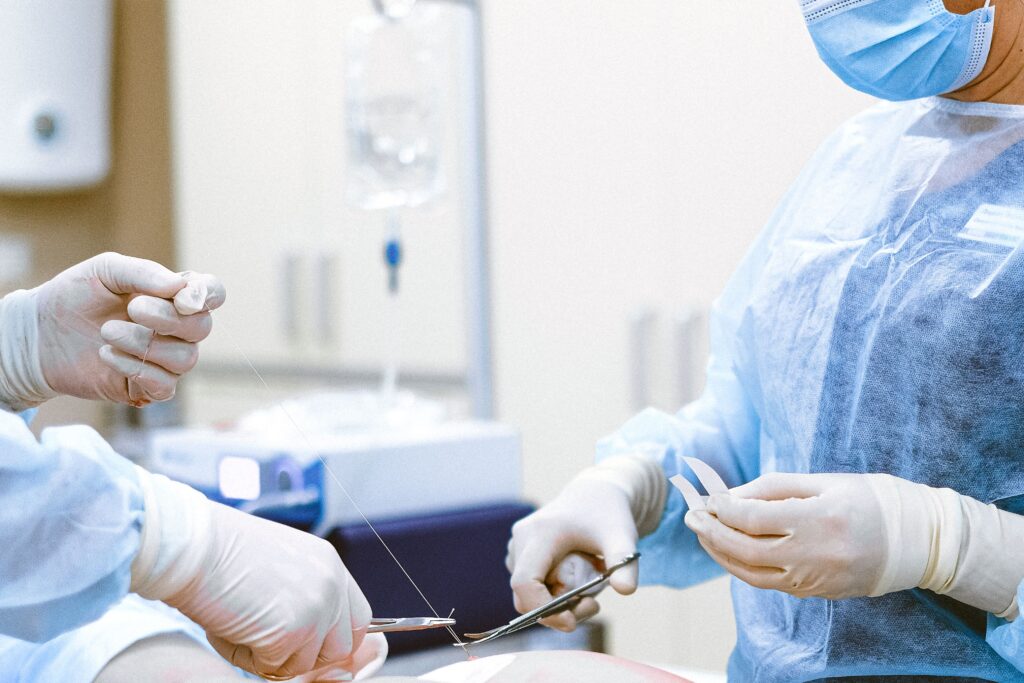
Orthopedic surgery focuses on treating conditions affecting the bones, joints, muscles, ligaments, tendons and related structures of the body.
The purpose of treatment may be to reduce pain, improve movement, repair injuries, restore joint function or address structural problems. The appropriate procedure depends on the patient’s diagnosis, age, general health, activity level and severity of the condition.
Orthopedic surgery may be recommended for people experiencing:
Severe knee or hip joint damage.
Certain fractures and complicated bone injuries.
Persistent joint pain that limits movement.
Ligament or tendon injuries.
Certain spinal conditions.
Joint deformities or structural problems.
Not every orthopedic condition requires surgery. A specialist generally evaluates the patient’s condition and considers suitable non-surgical options before recommending an operation.
Different procedures are used to address specific bone and joint problems. Some of the commonly performed orthopedic procedures include the following.
Knee replacement surgery may be considered for patients with advanced knee joint damage, commonly associated with osteoarthritis.
During the procedure, damaged joint surfaces are replaced with artificial components designed to support movement and reduce pain.
A doctor may discuss knee replacement when:
Knee pain continues despite appropriate non-surgical treatment.
Walking and daily activities become difficult.
Joint stiffness significantly affects movement.
Imaging and clinical assessment indicate advanced joint damage.
The decision depends on the patient’s symptoms, medical condition and overall suitability for surgery.
Hip replacement is a procedure used to treat significant damage to the hip joint. It may be recommended for some patients with advanced arthritis, certain fractures or other conditions affecting joint function.
The damaged portions of the joint are replaced with artificial components. The aim is to improve mobility and reduce pain, although individual outcomes can vary.
After surgery, patients usually need a rehabilitation plan that may include guided exercises and gradual movement.
Fractures can occur because of falls, road accidents, sports injuries or other trauma. Some broken bones can heal with immobilisation, while others require surgical treatment.
Depending on the fracture, an orthopedic surgeon may use plates, screws, rods or other fixation devices to hold the bone in the correct position.
Treatment depends on factors such as the location of the fracture, its severity, bone condition and the patient’s overall health.
Arthroscopy is a minimally invasive surgical technique used to examine and treat certain joint problems.
A small camera and specialised instruments are inserted through small incisions. It may be used for selected knee, shoulder and other joint conditions.
Potential advantages include smaller incisions and, in some cases, a shorter initial recovery period compared with more extensive open procedures. However, recovery varies according to the condition and procedure performed.
Some spinal conditions may require surgical treatment when symptoms are severe or when appropriate non-surgical treatment has not been effective.
Depending on the diagnosis, procedures may address problems such as nerve compression, spinal instability or certain structural abnormalities.
Spine surgery requires careful assessment because the spine contains important nerves and supporting structures. Patients should discuss the expected benefits, risks and alternatives with a qualified specialist.
Not all bone and joint pain requires an operation. However, a medical assessment is important when symptoms persist, worsen or interfere with everyday activities.
Consider consulting an orthopedic specialist if you experience:
Persistent knee, hip, shoulder or back pain.
Difficulty walking or standing for extended periods.
Joint swelling or stiffness that does not improve.
Repeated joint instability.
Reduced movement following an injury.
Pain that affects sleep or normal daily activities.
Seek urgent medical attention after a serious injury, particularly if there is visible deformity, severe pain, an open wound, numbness or an inability to use the affected limb.
An orthopedic surgeon considers several factors before recommending an operation.
The doctor may ask about the patient’s symptoms, previous injuries, medical conditions, medication use and daily activities.
A physical examination helps assess movement, strength, tenderness and joint stability.
Depending on the suspected condition, investigations may include:
X-rays to assess bones and joint alignment.
MRI scans to examine soft tissues and certain joint structures.
CT scans for detailed bone assessment.
Blood tests when clinically necessary.
Not every patient needs all these tests. The investigations depend on the suspected diagnosis.
Before recommending surgery, doctors may consider options such as medication, physiotherapy, activity modification, supportive devices or other suitable treatments.
Surgery is generally considered when the expected benefits justify the potential risks and alternatives have been assessed.
Preparation can help patients understand the procedure and organise their recovery arrangements.
Ask why the operation is being recommended, what it involves and what alternatives may be available.
Patients should also understand the expected benefits, possible complications and likely recovery timeline.
Inform the medical team about existing health conditions, allergies, previous surgeries and all medicines or supplements being taken.
Do not stop prescribed medication unless instructed by your healthcare professional.
The surgeon or hospital may request blood tests, imaging or other assessments before the operation. These help the medical team evaluate whether the patient is ready for surgery.
Patients recovering from lower-limb surgery may need temporary support with walking and everyday activities.
It can be helpful to arrange:
A clear and accessible walking space.
Supportive seating.
Easy access to essential household items.
Assistance with bathing and daily activities if required.
Any walking aids recommended by the medical team.
Family members or caregivers may need to assist with transportation, meals, medication routines and follow-up appointments.
Planning this support in advance can make the recovery period more manageable.
The exact process depends on the type of operation and the patient’s medical requirements.
In general, the process may involve:
Pre-operative assessment: The medical team reviews the patient’s health and confirms the surgical plan.
Anaesthesia: The appropriate anaesthesia is administered based on the procedure and clinical assessment.
Surgical procedure: The surgeon performs the planned operation using the selected technique.
Post-operative monitoring: The patient is monitored during the initial recovery period.
Rehabilitation planning: The medical team provides instructions for movement, wound care and follow-up.
Patients should ask their surgeon to explain the specific procedure rather than relying on general recovery information.
Recovery is an important part of orthopedic treatment. Healing time varies depending on the operation, the patient’s age, general health and whether complications occur.
Some pain, swelling and stiffness may occur after surgery. The medical team may recommend medication and other measures to manage discomfort.
Patients should follow the prescribed medication instructions and report severe, worsening or unexpected symptoms.
Physiotherapy can play an important role in restoring strength, flexibility and movement.
A rehabilitation programme may include:
Gentle movement exercises.
Muscle-strengthening activities.
Balance and walking exercises.
Joint mobility training.
Gradual return to everyday activities.
Patients should perform exercises according to professional guidance. Doing too much too soon can interfere with recovery.
A balanced diet supports general health and the body’s healing process. Patients may benefit from meals containing adequate protein, fruits, vegetables and other essential nutrients.
Anyone with specific dietary restrictions or medical conditions should follow advice from their healthcare professional.
Follow-up visits allow doctors to assess healing, review movement and identify possible complications.
Patients should not skip scheduled appointments, even when they feel that recovery is progressing well.
Like other major medical procedures, orthopedic surgery carries potential risks. The level of risk depends on the operation and the patient’s health.
Possible complications may include:
Infection.
Bleeding.
Blood clots.
Pain or swelling.
Delayed bone or wound healing.
Stiffness or reduced movement.
Problems involving surgical implants, where applicable.
Complications related to anaesthesia.
Patients should discuss procedure-specific risks with their surgeon before making a decision.
After surgery, seek medical advice promptly if you notice fever, increasing redness around the wound, unusual discharge, worsening pain or sudden swelling. Severe breathing difficulties or chest pain require emergency medical assistance.
Selecting an appropriate hospital is an important part of planning orthopedic treatment. Patients should consider more than location or promotional claims when comparing healthcare facilities.
Here are some factors to review:
Check the qualifications, registration and relevant experience of the treating orthopedic surgeon. Ask whether the specialist regularly manages the condition for which you need treatment.
Depending on the procedure, patients may need diagnostic imaging, operation theatres, post-operative monitoring and rehabilitation support.
Confirm which facilities are available and whether they meet your treatment requirements.
Recovery often involves more than the operation itself. Ask whether physiotherapy and rehabilitation guidance are available and how follow-up care is arranged.
A good treatment discussion should explain the diagnosis, procedure, expected benefits, risks, alternatives and approximate recovery requirements.
Patients should feel comfortable asking questions before agreeing to surgery.
Request an estimate that explains the expected charges, including consultation, investigations, surgery, hospital stay, medicines and follow-up care where applicable.
Patients researching the best orthopedic hospital in Guntur can include Happy Hospitals in their evaluation of local healthcare options.
Before choosing a hospital, patients should directly confirm the availability of the required orthopedic specialist, relevant procedures, diagnostic facilities, rehabilitation services and treatment costs.
Orthopedic surgery can help address certain bone and joint conditions when other treatments are not sufficient, but careful evaluation and rehabilitation remain essential. Happy Hospitals is one option patients can explore when researching orthopedic care in Guntur. Visit happyhospitals.in to enquire about available services and treatment information.