Best Orthopedic Hospital Guntur

Hair fall, brittle nails and changes in skin condition can make people look for nutritional supplements. One nutrient that often comes up in these conversations is biotin, also known as vitamin B7. It is part of the B-vitamin family and helps the body convert food into energy.
Biotin is commonly included in supplements designed to support hair, skin and nail health. But before choosing a product, it is worth understanding what this vitamin actually does and when supplementation may be useful.
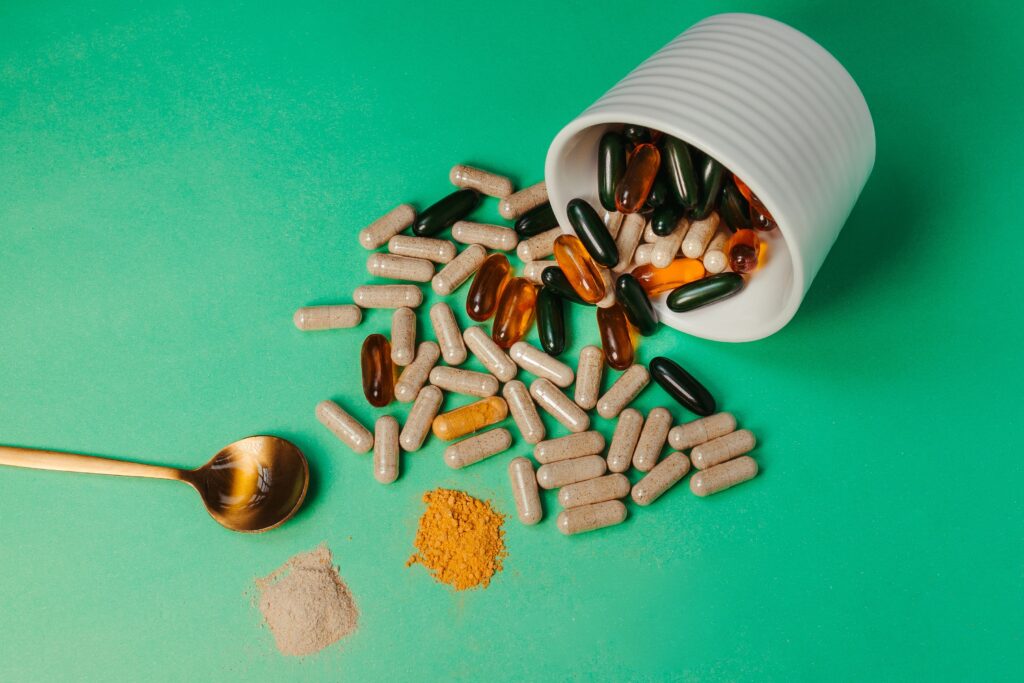
Biotin is a water-soluble vitamin that helps enzymes carry out important metabolic processes. It plays a role in the metabolism of carbohydrates, fats and proteins.
The body needs biotin for normal cellular functions. It is also involved in processes that help maintain healthy skin, hair and nails.
Most people get enough biotin through a balanced diet, and genuine deficiency is relatively uncommon.
Biotin is often associated with hair growth because it contributes to normal metabolic functions involved in maintaining healthy tissues.
A deficiency can sometimes be associated with hair thinning or hair loss. In such cases, correcting the deficiency may help improve related symptoms.
However, taking extra biotin does not automatically lead to thicker or faster-growing hair in people who already have adequate levels. Research supporting biotin supplements for general hair growth remains limited.
Hair fall can also be linked to stress, hormonal changes, nutritional deficiencies, genetics and certain medical conditions. Identifying the underlying cause is more useful than relying on supplements alone.
Biotin supports normal metabolic processes that help maintain healthy body tissues, including the skin.
Severe biotin deficiency can cause skin-related symptoms, but this does not mean that everyone with dry or irritated skin needs a biotin supplement.
Skin health also depends on hydration, nutrition, sleep, skincare habits and other factors. Persistent skin concerns should be assessed by a healthcare professional.
Brittle nails are another reason people consider biotin supplements. Some small studies suggest that biotin supplementation may improve nail thickness in certain people with brittle nails.
However, the available research is limited, and results may not apply to everyone. Nail problems can also result from frequent exposure to water, chemicals, nutritional issues or underlying health conditions.
When comparing the best biotin tablets for women, it is important to look beyond marketing claims. A suitable supplement should match your nutritional needs rather than simply contain the highest amount of biotin.
Consider these points:
Biotin content: Check the amount per serving and compare it with your actual requirements.
Ingredient list: Review additional vitamins, minerals, sweeteners and other ingredients.
Quality information: Choose products with transparent manufacturing and quality-testing details.
Serving instructions: Follow the label instead of taking extra tablets.
Professional advice: Ask a healthcare professional whether supplementation is appropriate for you.
More biotin is not necessarily better, particularly when there is no confirmed deficiency.
Yes. Several everyday foods naturally contain biotin, including:
Cooked eggs
Nuts and seeds
Salmon and other fish
Sweet potatoes
Legumes
Certain vegetables
Including a variety of nutritious foods in your diet can help support overall health.
Biotin supplements are generally well tolerated when used appropriately, but high doses can interfere with certain laboratory tests. These may include thyroid tests and some tests used to assess heart-related conditions.
Always tell your doctor and laboratory staff if you take biotin, especially before having blood tests. Do not start high-dose supplements without medical guidance.
Biotin plays an important role in normal body functions and may help when a person has a genuine deficiency. However, supplements are not a guaranteed solution for hair fall, skin problems or brittle nails. Before choosing the best biotin tablets for women, consider your diet, health needs and professional advice. A balanced routine remains an important foundation for healthy hair, skin and nails.