Best Orthopedic Hospital Guntur

The stock market rarely moves in a straight line. Prices rise, fall and sometimes remain almost unchanged for weeks. For investors, understanding why these movements happen can make it easier to evaluate opportunities and avoid decisions driven by short-term excitement or fear.
Whether someone is investing for the long term or exploring active trading, having a clear understanding of market trends and basic strategies is an important starting point.
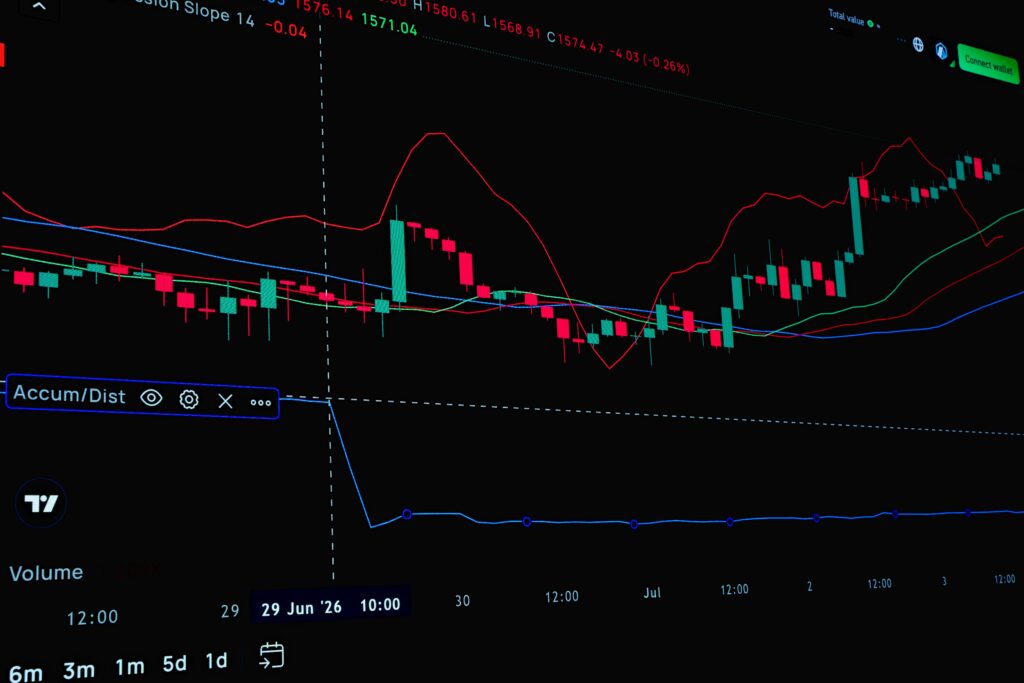
A stock market trend describes the general direction in which prices are moving over a particular period.
There are three common types:
Bullish trend: Prices generally move higher, reflecting stronger buying interest.
Bearish trend: Prices generally decline as selling pressure increases.
Sideways trend: Prices move within a relatively limited range without a clear upward or downward direction.
A trend can look different depending on the timeframe being studied. A stock may experience a short-term decline while remaining in a longer-term upward trend.
Several economic and business factors can affect investor decisions and share prices.
Central bank interest rate decisions can influence borrowing costs, business investment and consumer spending. Inflation also matters because rising costs can affect company profits and household purchasing power.
Revenue, earnings, debt levels and cash flow help investors understand a company’s financial position. Strong business performance may support investor confidence, although it does not guarantee that a share price will increase.
Employment figures, economic growth, consumer spending and manufacturing activity can provide useful information about the wider economy.
Political developments, international conflicts, trade policies and unexpected events can create uncertainty. Investor sentiment may change quickly when new information becomes available.
A trading strategy provides a structured approach to deciding when to enter or exit a position. Different methods suit different timeframes and levels of experience.
Long-term investors generally focus on a company’s business fundamentals and growth potential. They may hold investments for several years rather than responding to every daily price movement.
Swing traders try to benefit from price movements that develop over several days or weeks. They often study price patterns, support and resistance levels and market momentum.
Day traders open and close positions within the same trading session. This approach requires close market attention, discipline and an understanding of transaction costs and volatility. It can involve substantial losses, particularly for inexperienced traders.
Trend-following involves identifying an existing market direction and looking for opportunities that align with it. Moving averages and trading volume are among the tools traders may use to study trends.
Investors often use two broad approaches when evaluating financial assets.
Fundamental analysis examines business performance, financial statements, industry conditions, management and valuation. It helps investors assess the underlying financial position of a company.
Technical analysis studies historical prices, charts and trading volume to understand market behaviour. Common tools include moving averages, the Relative Strength Index (RSI) and support and resistance levels.
Neither approach can predict future prices with certainty. Using both can provide a broader perspective, depending on an investor’s objectives.
Even a carefully researched investment can lose value. Risk management helps investors prepare for unexpected market movements.
Consider these practical habits:
Diversify investments rather than relying on one company or sector.
Decide how much capital you can afford to risk.
Understand the use and limitations of stop-loss orders.
Avoid excessive borrowing or leveraged positions.
Research investments instead of following market rumours.
Review your portfolio periodically and adjust it when your goals change.
It is equally important to avoid emotional decisions during sudden market rises or falls.
Financial markets change as economic conditions, company performance and investor expectations evolve. Beginners should build their knowledge gradually and understand the risks of each financial instrument before committing money.
Educational resources and market discussions available through nyctrading us can be explored as part of a broader learning process.
Understanding stock market trends is not about predicting every price movement. It is about recognising the factors that influence markets, choosing an approach that matches your goals and managing risk responsibly. Patience, research and a consistent decision-making process are valuable habits for both new investors and experienced traders.